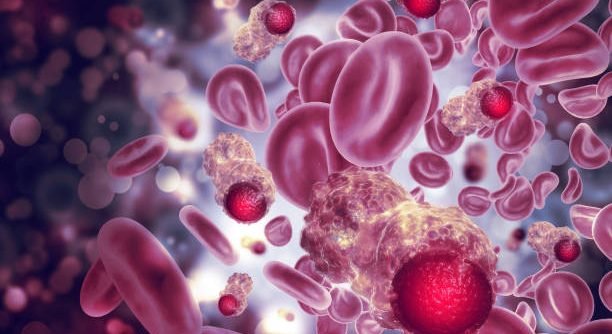
What Are Blood Cancers?
Blood cancers, also known as hematologic cancers, affect the blood, bone marrow, or lymphatic system. These cancers occur when abnormal blood cells grow uncontrollably, interfering with normal blood cell production and immune function. The three main types are Leukemia, Lymphoma, and Myeloma. Early diagnosis and timely treatment greatly improve recovery and overall outcomes.
Common Symptoms of Blood Cancers
- Persistent fatigue or weakness
- Unexplained weight loss
- Frequent infections
- Fever or night sweats
- Enlarged lymph nodes
- Easy bruising or bleeding
- Bone or joint pain
- Shortness of breath
- Pale skin (anemia)
Risk Factors for Blood Cancers
- Family history of blood disorders
- Exposure to radiation or harmful chemicals
- Smoking
- Weakened immune system
- Certain viral infections (e.g., EBV, HTLV-1)
- Age (risk increases with age)
- Genetic conditions like Down syndrome
Benefits of Early Treatment
- Helps control abnormal cell growth
- Prevents complications such as severe infections and anemia
- Improves immune function
- Reduces symptoms quickly, improving quality of life
- Enhances long-term survival and remission rates
- Allows use of advanced treatments like targeted therapy, immunotherapy, and stem cell transplant