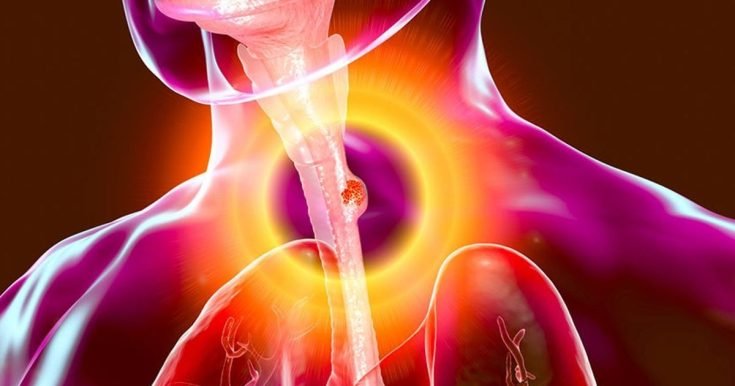
What is Esophageal Cancer?
Esophageal cancer develops in the esophagus, the long muscular tube that carries food and liquid from the throat to the stomach. It usually begins in the cells lining the inside of the esophagus and can spread to surrounding tissues. The two most common types are squamous cell carcinoma and adenocarcinoma. Early detection is essential for better outcomes, and patients in Ghaziabad should be aware of its signs and risks.
Symptoms
Common symptoms of esophageal cancer include:
- Difficulty swallowing (dysphagia)
- Chest pain, pressure, or burning sensation
- Persistent cough or hoarseness
- Unexplained weight loss
- Food sticking in the throat or chest
- Frequent choking while eating
- Indigestion or heartburn that worsens over time
Risk Factors
Several risk factors contribute to the development of esophageal cancer:
- Tobacco Use: Smoking or chewing tobacco increases risk significantly
- Alcohol Consumption: Heavy and long-term drinking
- Gastroesophageal Reflux Disease (GERD): Chronic acid reflux can lead to Barrett’s esophagus, a precancerous condition
- Diet: Low intake of fruits and vegetables, poor nutrition
- Obesity: Linked to a higher risk of adenocarcinoma
- Age & Gender: More common in men over 45 years
Treatment Overview
Treatment for esophageal cancer in Ghaziabad depends on the stage, location, and overall health of the patient. Options include:
- Surgery: Removal of part or all of the esophagus (esophagectomy)
- Radiation Therapy: High-energy rays to target cancer cells
- Chemotherapy: Anti-cancer drugs to treat localized or advanced disease
- Targeted Therapy & Immunotherapy: Advanced treatments for specific tumor types
- Multidisciplinary Care: A team approach involving oncologists, gastroenterologists, and thoracic surgeons