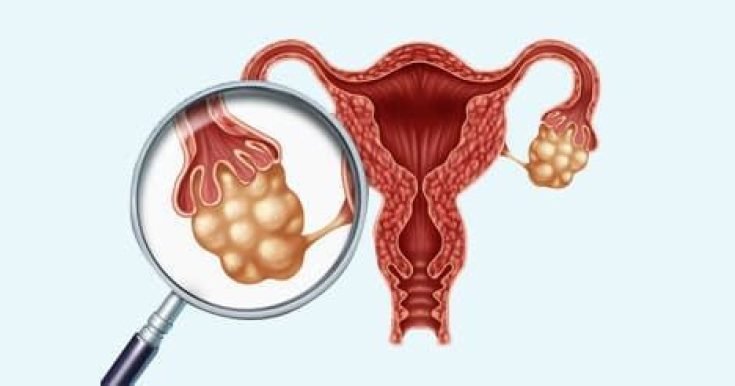
What is Ovarian Cancer?
Oral cancer is a type of head and neck cancer that develops in the mouth or oral cavity. It can occur on the lips, tongue, cheeks, gums, floor of the mouth, hard palate, or throat. Most oral cancers begin in the squamous cells lining these areas. Early detection is essential for effective treatment and better survival rates. Patients in Ghaziabad should be aware of the warning signs and risk factors.
Symptoms
Ovarian cancer symptoms are often subtle but may include:
- Persistent bloating or abdominal swelling
- Pelvic or abdominal pain
- Difficulty eating or feeling full quickly
- Frequent urination or constipation
- Fatigue and unexplained weight loss
- Menstrual irregularities
- Back pain in advanced cases
Risk Factors
Certain factors increase the risk of ovarian cancer:
- Age: Most common in women over 50
- Family History: Genetic mutations like BRCA1 and BRCA2
- Reproductive History: Early menstruation, late menopause, or no pregnancies
- Hormone Therapy: Long-term use of estrogen without progesterone
- Obesity: Increases the likelihood of developing ovarian cancer
- Endometriosis: Can raise risk in some women
Treatment Overview
Ovarian cancer treatment in Ghaziabad depends on cancer stage and patient’s health condition:
- Surgery: Primary treatment to remove ovaries, fallopian tubes, uterus, and surrounding tissue
- Chemotherapy: Often used after surgery to destroy remaining cancer cells
- Targeted Therapy: Drugs that block cancer cell growth pathways
- Hormone Therapy: For certain types of ovarian cancer
- Immunotherapy: Newer approach for advanced or recurrent cases